News

Latest news and updates from our company

Yuntianhua Makes Every Effort to Ensure Fertilizer Supply and Price Stability
2026-03-19

Yuntianhua Makes Every Effort to Ensure Fertilizer Supply and Price Stability

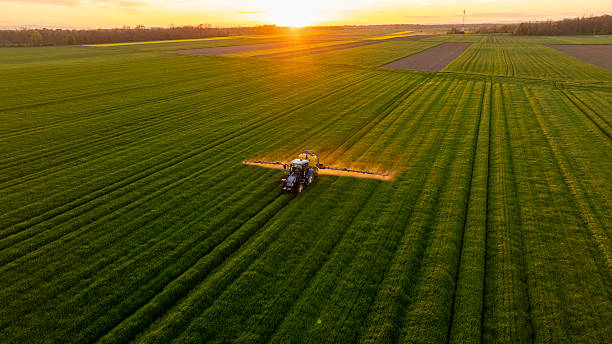
Currently, it is the critical period for spring plowing and fertilizer preparation. As an agricultural enterprise with the advantage of an integrated "mineral and chemical" industrial chain, Yuntianhua is focusing its efforts on key aspects such as fertilizer production organization, delivery and sales, and agrochemical services to ensure fertilizer supply and price stability. To meet the fertilizer demand during the spring plowing season, all of Yuntianhua's production lines are operating at full capacity to provide sufficient fertilizer products for spring plowing. At the Yuntianhua Tianan Chemical Intelligent Control Center, a huge digital screen displays real-time operating data, status, and early warning information for each unit. Operators are remotely monitoring multiple production units. "This is our 'smart brain,' which can predict equipment failures in advance, automatically optimize process parameters, and achieve remote information control of the production units through real-time data monitoring and intelligent algorithm adjustment," a staff member explained. Meanwhile, in the DAP packaging workshop of Yuntianhua Tianan Chemical Phosphate Fertilizer Manufacturing Center, six automated packaging lines are operating at full capacity, producing 7,000 to 8,000 tons of product daily. Conveyor belts hum continuously, and robotic arms precisely grasp and neatly stack the fertilizer according to pre-set algorithms, preparing for rapid shipment. Simultaneously, Yuntianhua has established a comprehensive quality control system, from raw material inspection upon arrival to standardized management of each stage of formulation, synthesis, and packaging, and multiple analyses and tests before shipment, strictly controlling the quality of fertilizers used for spring plowing. Getting a bag of fertilizer from the factory to the end consumer requires overcoming many constraints. "Scattered shipping locations and significant regional differences in demand" are real problems faced by agricultural input transportation. With the nationwide spring plowing season underway, Yuntianhua Tianchi Logistics has deployed early and responded quickly, making every effort to unblock the "transport arteries" for fertilizers used in spring plowing. At the Anning Logistics Park, fertilizers are neatly stacked in the finished product warehouse, forklifts shuttle back and forth loading trucks, and are efficiently delivered via dedicated railway trains, highways, inland waterways, and port transshipment. Yuntianhua proactively coordinated transportation resources, optimized loading and unloading processes, reduced vehicle turnaround time, and established "green channels" in transportation, warehousing, and delivery. During transportation, the status of each batch of fertilizer was tracked in real time, and shipping plans were dynamically adjusted based on actual conditions. Simultaneously, by implementing a "whole train loading and unloading, whole train pickup and delivery, whole train arrival and departure" model, dedicated fertilizer trains were added at designated points to maximize railway transport capacity. Ensuring the supply and stabilizing the price of agricultural inputs is crucial to farmers' interests. Affected by rising raw material prices, phosphate fertilizer costs remained high. Yuntianhua proactively strengthened collaboration with partners, issuing the "Initiative to Actively Respond to Sulfur Cost Pressures and Make Every Effort to Ensure the Supply and Stabilization of Phosphate Fertilizer Prices," working with upstream and downstream partners to ensure a sufficient supply of phosphate fertilizer products, striving to stabilize market price expectations, and effectively safeguarding spring planting. The chain of ensuring supply and stabilizing prices does not stop at delivery, but also at achieving results in the fields and benefiting farmers. Yuntianhua, relying on over 30 science and technology research institutes, has its staff working directly in the fields to tailor comprehensive nutrition plans for 43 major crops, helping farmers increase yields and income. Every bag of fertilizer delivered to the fields represents the company's commitment and responsibility, safeguarding the foundation of food security. In the future, Yuntianhua will continue to ensure fertilizer supply and price stability, contributing even more to safeguarding food security.

Read More
Yuntianhua demonstrates its commitment to ensuring supply and stabilizing prices.
2026-03-19

Yuntianhua demonstrates its commitment to ensuring supply and stabilizing prices.

Recently, the General Office of the Ministry of Industry and Information Technology issued a letter of appreciation to enterprises that made outstanding contributions to ensuring the national fertilizer supply in 2025. In the letter, Yunnan Yuntianhua Group and its subsidiaries were specifically commended for their political awareness, overall perspective, solid and effective supply guarantee measures, and outstanding performance. Fertilizer is the "food" of food. Yunnan Yuntianhua has always kept in mind its mission of "securely securing China's food supply," comprehensively coordinating all aspects of production, R&D, logistics, and marketing, and using practical actions to solidify its role as a "national team" in ensuring food security. On the production side, Yunnan Yuntianhua coordinated its production bases in Shuifu, Tianan, Qujing, Qinghai, and Inner Mongolia, focusing on "stable production and supply, improved quality and efficiency, and green and low-carbon development." Through measures such as deepening lean process management, implementing full life-cycle management of production equipment, promoting energy conservation and carbon reduction through technological innovation, and implementing APC+RTO advanced process control, it continuously improved the "long-cycle," "intelligent," and "low-carbon" operation capabilities of its equipment, ensuring that fertilizer production facilities operate at full capacity, with low consumption and high efficiency. On the R&D side, Yuntianhua, guided by market demand and agricultural pain points, continuously develops nutrient-rich, functional, efficiency-enhancing, and specialized new fertilizers. These not only precisely match the nutrient needs of different regions, crops, and growth stages but also improve fertilizer utilization and agricultural product quality, serving modern agricultural development with more professional and refined products. On the logistics side, leveraging its 5A-level supply chain service advantages, Yuntianhua integrates multimodal transport resources such as railways, highways, and waterways. Through its own dedicated railway lines, self-owned containers, and efficient models such as river-rail intermodal transport, road-rail intermodal transport, and rail-sea intermodal transport, it achieves fully controllable and rapid delivery of fertilizers from factory to end consumer, stably covering major production areas nationwide and radiating to the Southeast Asian market, ensuring timely fertilizer use for farmers. On the market side, Yuntianhua, in collaboration with China Agricultural University, has established science and technology courtyards throughout agricultural planting areas in Yunnan, Hebei, Shaanxi, and Xinjiang. Through the construction of demonstration fields, technical training, and on-site observation, it bridges the "last mile" of agricultural technology extension, helping farmers increase production and income. Next, Yuntianhua will deepen its digital transformation and green development, continue to develop high-quality fertilizer products, and make new contributions to ensuring the supply and price stability of fertilizers nationwide and national food security.

Read More
Yuntianhua's China-Vietnam meter-gauge international intermodal transport volume hits new highs
2026-03-19

Yuntianhua's China-Vietnam meter-gauge international intermodal transport volume hits new highs

Recently, it was learned from China Railway Kunming Bureau Group that Yuntianhua will continue to maintain its position as the largest contributor to China-Vietnam railway freight shipments in 2025. Its freight volume has maintained continuous growth since 2021, with import and export cargo volume increasing by 41% compared to 2021, a year-on-year increase of 6.5%, setting a new record for import and export volume of China-Vietnam meter-gauge international freight trains. The China-Vietnam meter-gauge international freight train is China's only meter-gauge railway transportation channel and also China's earliest cross-border railway channel. For a long time, China Railway Kunming Bureau and Yuntianhua have cooperated closely, relying on this century-old railway to continuously expand the international freight coverage area and scale, effectively improving the transportation efficiency and effectiveness of the "century-old meter-gauge" railway. In recent years, Yuntianhua has actively integrated into the "Belt and Road" initiative, achieving containerized network-style intermodal transport through continuous innovation in the China-Vietnam meter-gauge transportation model. It has made new achievements in China-Vietnam meter-gauge cross-border logistics and supply chain operations, promoting efficient linkage between Yuntianhua's industrial chain and supply chain with neighboring Southeast Asian countries, and injecting new impetus into the high-quality development of China-Vietnam economic and trade cooperation. Meanwhile, in terms of port economy, we will continue to promote international import and export business of the China-Laos Railway, actively explore various new logistics models for the China-Vietnam and China-Myanmar channels, and contribute Yuntianhua's strength to Yunnan's economic development.

Read More
Yunnan Yuntianhua Co., Ltd.
2026-03-23

Yunnan Yuntianhua Co., Ltd.

For anyone following China’s push to modernize its agriculture and chemical sectors, Yunnan Yuntianhua stands out for its scale and the way it shapes local and international markets. This company, headquartered in the fertile province of Yunnan, has carved out a role as one of Asia’s leading suppliers of chemical fertilizers and related industrial chemicals. In the past, plenty of fertilizer producers might have stayed behind the scenes, understood mostly by agronomists and consumers of agricultural commodities. Today, thanks to concerns about environmental health, crop sustainability, and food security, the stakes run much higher. What happens in Yunnan’s phosphate hills and plants isn’t just a regional story. It has repercussions for the nutrition of field crops far beyond China’s borders.Yunnan Yuntianhua’s fertilizers have long helped China feed its population. With over a billion mouths to feed, yield-improving nutrients don’t just pad bottom lines, they keep shelves stocked and prices in check. At the same time, there’s growing recognition that traditional fertilizer use brings its own problems: water pollution from runoff, disruptions to soil health, and greenhouse gas emissions. In these ways, Yuntianhua sits in the crosshairs of two global trends: food security and environmental stewardship. On one hand, farmers want reliable fertilizer to maintain steady output. On the other, using old-school ammonium phosphate products in a business-as-usual fashion threatens rivers, lakes, and long-term soil productivity. Balancing both goals can’t come from government mandates alone; industry leaders must innovate, invest, and reimagine their own responsibility in the supply chain.Walking through a rural part of China tells the story in simple terms. On some village outskirts, fertilizer bags scatter the ground, left after crops are planted. Waterways shimmer with unnatural hues during peak agricultural seasons. It’s not hard to draw the line from these realities back to production plants and distributors. Yet, the same fertilizers keep smallholder farms productive and lift millions out of poverty. This tug-of-war brings up a tough question: can companies like Yuntianhua help lead the charge toward less polluting, smarter crop solutions? The answer comes, in part, from pilot initiatives where companies work with farmers directly. Efforts to reformulate products, provide field-level training, and develop “slow-release” fertilizers have started chipping away at the problem. While results rarely materialize overnight, sustained partnerships with academic researchers, rural cooperatives, and even environmental NGOs can produce models that scale across regions. Yuntianhua’s size means even small changes in its own supply chains have noticeable downstream effects.What makes sustainable growth sticky is the way external demands shape company action. Take export markets: Europe and parts of North America increasingly require environmental audits and stricter labeling standards for imported agricultural chemicals. Yuntianhua, as a top exporter in Asia, faces mounting pressure to prove its products meet these demands, or risk losing major markets. The same dynamic goes for investment. Large institutional investors now hunt for firms making public commitments around waste reduction, emissions curbs, or clean water initiatives. Companies who lean into that pressure by making measurable progress toward sustainability can attract new capital at lower cost, which in turn supports innovation cycles and operational upgrades. Chasing after these improvements isn’t a quick cash grab; it means betting on science, engineering talent, and trust with partners outside the company walls.Yuntianhua’s future won’t be written at a conference table alone. Local communities, especially in Yunnan’s villages and townships, use the land and water at the heart of company operations. They see first-hand the benefits and the costs of industrial fertilizer production and usage. For many urbanites, it’s easy to forget that industry and environment connect at the village well and the community rice paddy. Building real progress depends on strengthening systems for public feedback and setting up ways for local voices to move upstream into corporate decision-making. I’ve spoken to villagers near production areas who want steady jobs, but who also feel frustrated when water runs foul or traditional fishing spots dry up. Ignoring these concerns invites regulatory crackdowns or reputational risks that no multinational can control from a corporate office. Opening up to environmental audits, community dialogue, and even grievance mechanisms changes the story from factory versus farm to a shared story about regional health and prosperity.New technology sometimes gets most of the spotlight, especially in state-run media. Electric-powered production lines, sensors for monitoring waste emissions, and AI systems for precise nutrient delivery can all cut pollution and boost productivity. Yet, these interventions need top management willing to spend, upgrade, and—just as crucial—include worker safety and training in the plan. Factories expand and modernize fastest in places where skilled workers have a stake in the transition. Yuntianhua, like its peers, can take cues from other global players who went beyond compliance and made worker involvement a core part of operational upgrades. There’s a lesson here about investing in people and technology at the same time: only then do innovations last beyond the annual report or press release.Supply chain scrutiny has increased, especially after disruptions during the pandemic made everyone pay closer attention to how food and fertilizer supplies move around the world. Yuntianhua’s reach extends from mines and processing facilities to ports and cross-border deals. Each link holds vulnerabilities. Shocks from war, drought, and price volatility in global commodities remind us these supply lines don’t self-correct. Working with suppliers who show transparency and ethical labor practices isn’t just about box-ticking for ESG funds. It buffers the whole network against risk, and companies who do the hard work of mapping and cleaning up their supply chains tend to recover faster from big shocks. Working in the field, I’ve watched how buyers choose partners who follow through on promised standards, traceability, and certifications. It takes time, but that trust earns greater loyalty when crises hit.Regulation will continue tightening as authorities respond to public health and environmental pressure. In China, local governments take pollution violations more seriously than just a decade ago. Yuntianhua, with its visibility and size, faces regular inspection and political scrutiny that smaller firms might avoid. This visibility can be leverage. Companies large enough to survive tougher rules can often set the pace for the rest of the industry, lobbying for smarter regulation that rewards long-term investment and closes loopholes for bad actors. The most sustainable strategies bank on compliance as a baseline, then look for paths beyond it. Investment in biotechnologies, partnerships that link chemical and organic farming, and acceleration of recycling and emission controls all mark out future growth paths. What matters isn’t adopting the latest tech, but keeping a long view on what keeps communities, company, and crops thriving together.For companies like Yuntianhua, the path forward lies in combining the grit that built a global fertilizer empire with a new commitment to environmental health, supply chain transparency, and stronger partnerships with local communities. Building alignment across shareholders, workers, and village neighbors means profitability stands side-by-side with stewardship. Any progress, even when incremental, offers a model for others on how to move from being part of the pollution problem to leading the solution for a cleaner, more reliable food system.

Read More
Yunnan Yuntianhua Co., Ltd. Monoammonium Phosphate
2026-03-23

Yunnan Yuntianhua Co., Ltd. Monoammonium Phosphate

Monoammonium phosphate might sound technical, but any family with farming roots understands its value in a real, concrete way. Farmers worldwide rely on such fertilizers to bring more food to the table, feed livestock, and support jobs in local communities. Yunnan Yuntianhua is one of the bigger names behind this input in China. The real story, though, starts out in the fields, where corn, wheat, and rice need the phosphorus boost that this fertilizer delivers. When phosphorus gets low in the soil, crops can stall out. You see stunted leaves and smaller grains—yields drop, and family income slides with it, sometimes leading to real hardship. Thanks to reliable supply lines from outfits like Yuntianhua, farmers can keep the cycle going, even when global supply chains feel shaky.Many urban shoppers hardly think about where that bumper crop came from, but farming families always notice shifts in fertilizer quality and price. Yunnan Yuntianhua has weathered several price swings over the past decade, and with so much pressure coming from both international buyers and new green regulations, the company faces some tough choices. Phosphorus mining demands careful handling. Overshooting with fertilizer pollutes water, and farmers know algae blooms in rivers signal more troubles ahead. Yuntianhua is now expected to show stronger leadership in environmental responsibility, balancing food production needs with tighter emission targets from national authorities. Solutions often call for a close look at application methods, crop rotation, and ongoing education at the village level. Sometimes local farm bureaus run training conferences. My relatives went to a few, learning better spread rates and soil sampling, all so one bag does more good and less harm.In my own community, cost always shapes decisions. Prices for chemical fertilizers like monoammonium phosphate can swing sharply, pushed by fuel prices, export bans, or sudden spikes in demand overseas. Farmers pool resources, join cooperatives, and sometimes push for government support. At scale, big buyers like plantation managers want to lock in contracts with suppliers such as Yuntianhua to avoid surprises. That security helps farms plan longer and support seasonal workers. If fertilizer prices rise too fast or suppliers struggle to deliver on time, even strong local economies get shaky fast. Yuntianhua’s broad network has often buffered the blow here, but not every region enjoys the same consistency. Remote villages still report delivery gaps, with some families relying on older, less efficient fertilizers or cutting back, risking weaker harvests.People often say they want to know more about how food is grown, right down to the soil amendments used. Yet transparency isn’t always easy to find in the fertilizer business. Stories float of counterfeit products, mislabeled blends, or companies quietly missing quality marks under pressure. Families with their hands in the dirt know the truth soon enough. A poor fertilizer batch shows up in thin stalks and yellow leaves. Larger suppliers like Yuntianhua have a responsibility to keep quality high, put the full chain of custody on display, and respond quickly when things go wrong. Modern buyers—both bulk importers and individual farmers—demand data and proof. They watch test reports and certification stamps, taking lessons from past market scandals. Some local groups now push for direct lines of communication, getting answers straight from the source. This helps not just with trust, but with field-level problem solving when crop issues emerge mid-season.China’s farms feed not only the nation’s population, but millions of others through export channels. Yunnan Yuntianhua stands as a pillar within that system, handling miles of supply lines and billions in sales. The company’s scale brings obligations. Today’s food system faces unique challenges—climate shifts, pressure to cut chemical use, and expanding consumer expectations. Solutions come from smarter blending, collaboration with researchers, and greater openness with regulators and the public. Farmers want facts, not slogans, and they share practical insights from the field up to policy workshops. They know firsthand that nutrition in the soil means nutrition in grains and vegetables. As legacy suppliers answer new demands for greener, safer agriculture, companies like Yuntianhua shape the choices for villages across Yunnan, neighboring provinces, and beyond. Only through ongoing investment in both technology and local relationships can any company keep pace with a world that expects both plenty and responsibility.

Read More
Yunnan Yuntianhua Co., Ltd. Diammonium Phosphate
2026-03-23

Yunnan Yuntianhua Co., Ltd. Diammonium Phosphate

In fields stretching from the foot of the Himalayas to the rivers that snake across Southeast Asia, farmers depend on more than rain and tradition. Under rocky soil and harsh sun, crops demand food of their own. This is where diammonium phosphate (DAP), produced by companies like Yunnan Yuntianhua, makes an impact that’s tough to overstate. With food security at the front of every policymaker’s mind and small-scale farmers feeling the pinch of climate swings, DAP means real yields, full storerooms, and one less worry at harvest time. I’ve seen eyes light up during planting season once sacks of DAP arrive—less resignation, more hope, as seedlings grab the nutrients they need. Yet there’s another side to this green revolution. Phosphorous—one half of DAP—doesn’t simply vanish after it runs off a field. Too much, and rivers choke with algae, lakes lose their clarity, and drinking water risks contamination. In my experience talking with agronomists and farmers, folks care about these issues but often lack the tools or training for precise application. Some worry about costs and prefer the tried-and-true methods of generations past, even as they see fish stocks in rivers collapse or local water supplies turn murky. Yunnan Yuntianhua, as one of the largest fertilizer producers in China, sits in a vital position: what the company decides affects the environment—not just crop yields—in ways that echo far from the source. Put bluntly, global food demand will not shrink anytime soon, and feeding growing populations leans hard into modern fertilizers. Yuntianhua’s factories shape global supply and prices. In rural towns I’ve passed through, small farmers pool resources to buy a truck’s load, hoping it leads to a bumper harvest. But they also see imported fertilizers jump in price when geopolitical tensions rise or supply chains groan, adding stress to budgets that have no slack. In places where alternative sources of phosphorus are rare, dependence becomes a fact of life. Where Yuntianhua’s reach stretches, it creates jobs, underpins rural economies, and can give millions of people some measure of stability.Everyone who works the land knows that too much of any good thing brings problems. In conversations over salty tea in Yunnan villages, old hands have suggested targeted fertilizer subsidies or training for younger farmers who did not grow up with chemical inputs. What stands out is that practical solutions rarely come from edicts handed down, but from real partnerships. Yuntianhua could deepen its work with agricultural cooperatives, offering programs for soil testing and tailored recommendations. I have seen places where small adjustments—like matching application to crop needs after basic soil tests—cut runoff and boost harvests with less input. Beyond that, governments could reward practices that conserve soil and water, turning stewardship into a better deal for everyone.There’s a major opportunity for companies holding the production keys. Investing in cleaner production technology stands to shrink the environmental footprint of DAP. As China pushes forward with ecological goals for its western provinces, outfits like Yuntianhua can set standards that ripple outward. If they support education initiatives, fund simple but effective research, and roll out mobile advisory services—tools that actually reach distant farms—then the story of DAP can shift from anxiety about pollution to confidence about lasting growth. My experience from time spent in agricultural communities shows that buy-in only happens when change improves lives on the ground, without adding red tape or costs that squeeze the poorest farmers.Food security shapes not just policy or markets, but day-to-day reality for billions. Fertilizers like those from Yunnan Yuntianhua keep modern agriculture afloat, even as they introduce new risks. I’ve sat with families who depended on just one good season to pay bills, educate children, and invest in better tools. They rarely speak in the grand global terms of trade balances and emissions—they care about what grows, what’s safe to drink, and whether there will be enough. Balancing efficient, responsible use of fertilizers with environmental health doesn’t come easily, but neither does feeding a hungry world. DAP from Yuntianhua touches lives in ways that go far beyond what’s written on a shipping docket, and every step toward collaboration brings us closer to farms that thrive—without borrowing tomorrow’s health for today’s gain.

Read More
Yunnan Yuntianhua Co., Ltd. Urea
2026-03-23

Yunnan Yuntianhua Co., Ltd. Urea

Urea often gets viewed through a narrow lens — just another bag of fertilizer on shelves across Asia and beyond. When I look at Yunnan Yuntianhua Co., Ltd., with its decades of experience in chemicals and fertilizers, I see more than just white pellets. I see a crop lifeline for rice farmers in Yunnan, and a driver of global agricultural output. This isn’t just about a single product; it’s about one company’s place in a sprawling agricultural ecosystem, and the ripple its urea sends through food security, sustainability, and the everyday lives of families waiting for harvest.A bag of urea from Yuntianhua doesn’t just end up on local Chinese fields. It’s sent to Southeast Asia, to India, and other places where food production levels struggle to match population growth. China’s output represents a massive portion of the world’s total urea fertilizer, and Yuntianhua alone helps tip the scales. You can’t overstate how much that matters for countries fighting hunger and price spikes. Take one year of global crop failures, mix in limited fertilizer supplies, and the price of rice or wheat in a distant village marketplace will soar. I’ve seen it happen — a bad monsoon, a price hike, and suddenly families cut meals to stretch until next month. Stabilizing supply through robust producers like Yuntianhua gives small farmers predictability, which keeps food within reach for millions.It feels tempting to declare chemical fertilizers as the solution to global hunger, but the story comes with rough edges. Urea reshapes yields, yet also raises hard questions. I remember standing in rice fields where lush green looked beautiful, but runoff had pushed ammonia-nitrogen into nearby streams. In places with less-informed application or no strict rules, using too much can mean more than water pollution; it harms soils and the food chain itself. Yunnan, with its mosaic of small farms, faces this tension every planting season. Yuntianhua pumps out tons of product each year, but its leadership is watched closely for what comes next: more efficient application technologies, partnerships for farmer education, and real progress on emissions. No company working on this scale can sidestep its environmental responsibility.There’s a real difference between fertilizers that meet top quality standards and those that don’t. Farmers — especially smallholders in Yunnan or Vietnam — know the risks that come with inconsistent product. A failure in the soil can be the difference between a year above the poverty line and a year below. Yuntianhua built its reputation on reliable supply, but also on innovation. The company’s research teams dig into granular formulation, storage, and shipment, aiming to keep product strong from factory floor to field’s edge. Speaking to agricultural experts, many point to tight controls as one reason why food production in the region continues to ramp up, rather than stall out.A company as large as Yuntianhua drives not just regional but national priorities. It employs thousands, provides raw materials for dozens of downstream industries, and influences local infrastructure from roads to power. I spent time in company towns that exist because fertilizer and chemical plants run nearby. This dual nature of corporate success means every investment or advancement — cleaner production lines, safer working conditions — creates a cascade of benefits. The money flows out in wages and taxes, and sometimes, in rebuilding schools or supporting rural clinics. For communities once left out of China’s growth, having a giant like Yuntianhua in the neighborhood can mean new opportunity, even as debates over environmental cost continue.Today, many buyers and investors judge companies on more than output numbers. Green chemistry isn’t just a marketing phrase in Yunnan province; it’s a necessity as international rules tighten. Companies like Yuntianhua walk a line between increasing fertilizer output to feed more people and slashing their carbon footprint. I’ve talked with engineers and managers at other plants who spend nights tweaking systems so they use less energy, recycle water, or pull emissions lower. Some competitors turn to enhanced-efficiency products or invest in big collaborations with global climate groups. For Yuntianhua, this period will likely define its next decade: leadership in sustainable growth, or falling behind as customers demand better climate performance.Solutions do not rest on a single actor. Building smarter fertilizer systems requires manufacturers, government support for research, and open channels for farmer feedback. Some of the best strategies I’ve seen pair private company innovation with public incentives for conservation and training. Digital tools — soil testing kits, crop monitoring apps — enable precision farming so that every grain of urea actually counts on the field. Yunnan Yuntianhua, with its history and resources, has the scale needed to roll out these advances and test them in real-world conditions, closing the loop between technology and practice. As food systems worldwide come under pressure, the world will watch producers like Yuntianhua as both problem solvers and guardians of the future.

Read More
Yunnan Yuntianhua Co., Ltd. Acetal Copolymer
2026-03-23

Yunnan Yuntianhua Co., Ltd. Acetal Copolymer

In the world of plastics, acetal copolymer doesn’t usually make headlines. Folks walking down supermarket aisles or shopping for new electronics rarely think about what’s under the hood—or, more accurately, under the surface—of gadgets, household items, and even car parts. But behind the scenes, companies like Yunnan Yuntianhua Co., Ltd. are shaping everyday life with materials that keep products tough, reliable, and surprisingly light. Stepping into a factory where acetal copolymer is produced, it hits you: this isn’t just about industry. It’s about the little pieces that hold together bigger things we count on daily, from gears inside a washing machine to valve parts in cars. The precision it brings is no accident. It takes careful work to keep quality high while scaling up production in a competitive market.Back when I started handling technical parts as a machine operator, the phrase “material failure” usually meant somebody’s day or business was about to get a lot harder. If a plastic gear cracked too soon or a connector snapped, a backup plan had to click into place, or everyone waited. Acetal copolymer turned out to be a game changer here. It’s tough against stress, stands up to wear, and doesn’t let friction win easily. For products that move or rub together—think sliding windows or printer parts—this means fewer breakdowns, less downtime, and happier customers. On a wider scale, that durability has downsides, too. Plastics don’t vanish after use. Companies like Yuntianhua, operating in Yunnan where ecological diversity is front and center, have to look sharp at environmental impact. Making plastics more recyclable or creating closed-loop systems could help offset plastic waste. Some firms now team up with recyclers to take back used parts, grind them up, and feed them into new production runs. It isn’t perfect, but steps like these matter, especially as pressure to tackle pollution builds across China and globally.People may not recognize the factory logos behind the plastics in their kitchen appliances or their car dashboards, but trust matters more than most realize in this business. When a product fails, blame often points upstream to the material. That stings, both financially and in terms of reputation. Yuntianhua and other major producers invest not only in equipment but in labs and skilled people who know how to spot trouble early—before it ships out the door. Tracking batches, making sure specs are met every time, and running the kind of routine checks that catch issues before they spiral all help build a record that customers rely on. I’ve seen supply chain partners demand samples from every lot just to double-check quality claims. Nobody likes the hassle, yet these steps are non-negotiable if you want business in industries like auto manufacturing or medical devices where safety and reliability are non-starters.Acetal copolymer isn’t just battling other engineering plastics—it’s fighting for a place in more sustainable, tech-heavy, and sometimes fiercely cost-driven markets. Companies like Yunnan Yuntianhua face pressure to stay ahead, not only on price but also with technical advances. In places where labor costs and energy usage are rising, fine-tuning processes to cut waste can make or break the year’s margin. Some factories roll out upgrades like better filtration to reduce water use or take bolder steps by tapping renewable energy for their massive power needs. Real-world changes, like using recycled feedstock or switching to new processes that cut emissions, take time and money. Still, those who pull ahead in these areas find themselves standing out in a crowded field. Down at the workshop, innovations like laser-based quality checks mean catching product flaws that once went unseen. Over time, smart investments in data and automation help workers spot small problems before they become big losses.In Yunnan, where mountains meet farmlands and nature still draws visitors, questions about growth and environmental load hit close to home. Chemical producers have drawn criticism in the past for runoff, air pollution, and heavy water use. Trade-offs can’t be ignored. Manufacturing jobs do a lot for local economies, but people want cleaner air and water, too. Walking near a new plant, you hear neighbors ask tough questions about what’s being put in the river or in the ground. Yuntianhua has made public nods toward “green chemistry” and improving emissions handling. Whether those efforts can keep pace with both community expectations and global rules like those set out in the Basel Convention remains to be seen. The answer won’t come from promises alone. Tracking emissions, reporting them, and taking part in real community cleanup efforts help build the kind of trust worth having. It’s a two-way street: local talent keeps plants running, so protecting their environment keeps businesses running.Direct conversations with engineers, factory managers, and neighbors around plastic production make one thing clear: easy answers for complex problems rarely hold up. For material producers, the push to innovate comes from clients who rely on strong plastic engineering for next-generation devices and cars, but also from communities who want safer workplaces and greener surroundings. Some solutions are right in front of us: simple changes in how waste is sorted, handled, and logged make a big difference over time. Partnerships with local universities and research labs help open doors to better recycling techniques or alternative formulations that lower environmental costs. At base, smart growth means not waiting for others to act. If companies like Yuntianhua lead with transparent supply chains, better accountability, and bold experimentation, their customers—and the wider world—stand to gain. As someone who has watched manufacturing transform both products and landscape over the years, I can say the stakes for getting this right stretch far beyond factory gates or profit sheets.

Read More