News

Latest news and updates from our company

yuntianhua group
2026-03-24

yuntianhua group

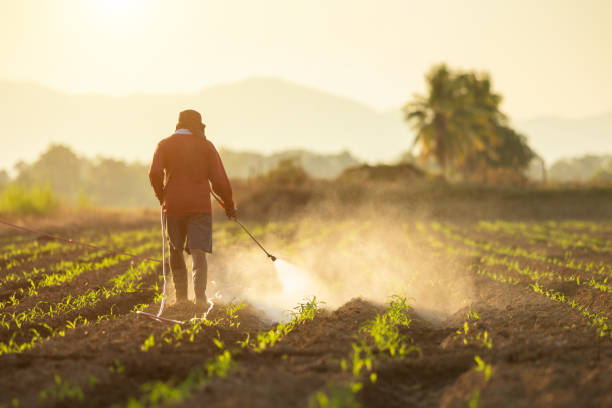
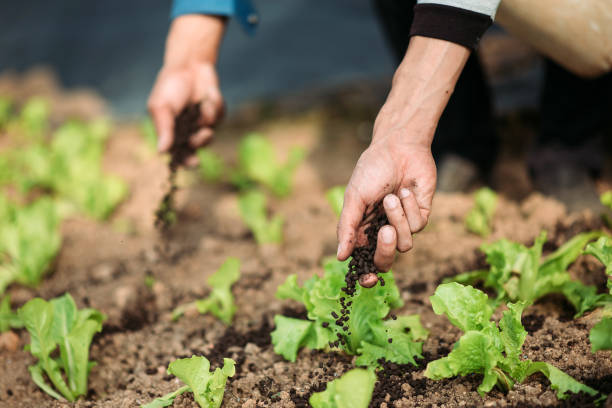
Yuntianhua Group plays a massive role in the story of modern China. Anyone who has worked in or studied agriculture in the country knows the name; its chemical fertilizer helps feed hundreds of millions. For decades, rural laborers spread Yuntianhua’s product in fields from the dry Northwest to the wet deltas of the Yangtze. Rice, wheat, vegetables, tea—farmers rely on soil that can produce more. Watching a small community thrive on harvests, the connection between fertilizer and prosperity becomes clear. Since the 1970s, companies like Yuntianhua have helped pull millions from hunger and poverty, not through grand gestures, but by making sure the earth stays rich enough to meet people’s needs.I’ve visited rural China and seen firsthand the everyday struggle farmers face. Crop prices change, weather strikes without warning, but certainty comes from good soil. Fertilizer alone doesn’t solve all the problems, but without it, yields drop sharply. Yuntianhua is much more than just a factory; it represents an entire supply chain. Trains, trucks, warehouses, agronomists, and thousands of workers all keep China’s food system afloat. That kind of scale brings headaches, too. The environmental effects of so much chemical fertilizer can't be ignored. Too much runoff pollutes rivers and lakes. Not all local companies handle storage, transport, or usage responsibly. In villages along polluted water, people talk about algae blooms and lost fish, and experts warn about soil degradation. Policy circles in Beijing argue about balancing food security and green growth, and companies like Yuntianhua find themselves on the front lines of that debate.Recent years have seen Yuntianhua invest heavily in research. The global race toward lower-carbon agriculture keeps getting faster. The old ways built the company, but tomorrow’s demand looks different. Smarter fertilizer, less damaging to the land and water, is the new competition. Yuntianhua says it is developing slow-release products designed to hit roots instead of running off into rivers. Ballpark numbers from agriculture ministries show advanced fertilizers can increase yields while using less product, which both boosts profits and lessens damage to nature. For farm families, this doesn’t just mean bigger corn; it means planting another year on the same plot without losing ground. I've met agronomists who hope that local governments will partner with Yuntianhua to teach farmers how and when to use these new products. Just sending better fertilizer into the market is not enough; rural education and extension services need support, too. Yuntianhua faces a public that expects more than just business results. Reports about industrial accidents or chemical leaks spark outrage, and for good reason. Anyone who’s seen a factory town live through a pollution scare understands why trust is hard to earn and easy to lose. For Chinese state-owned giants, the old defense that “accidents are inevitable” no longer flies. People want accountability and effort to minimize the harm. Some progress appears in company reports—promises for greener facilities, new safety protocols, higher standards set by regulators. Changemakers in the urban middle class call for more transparency about what goes into food and water, and those demands travel up supply chains. As a major producer, Yuntianhua has had to open up, sponsoring audits and complying with public reporting rules. The company still walks a tightrope; it needs to deliver to China's goals for food independence, but must meet louder calls for sustainable practice.In one trip to Sichuan, I met farmers experimenting with new soil techniques, supported by a local Yuntianhua office. They mixed different inputs, tracked results, shared lessons. This cooperation is one way a large company can be more than just a supplier—it becomes a partner in rural change. Across China, scientists are chasing lower-emission ammonia processes, or ways to recycle plant waste into crop nutrients. Yuntianhua’s investment into research alliances and demonstration projects is a positive step. In markets outside China, pressure appears from trading partners, too. The EU’s “Farm to Fork” strategy and stricter food import standards push Chinese manufacturers to clean up or face barriers. In domestic circles, carbon markets and stricter safety rules are coming fast. Those who lead on innovation—the cleaner products, the smarter usage—can set the trend, while laggards risk becoming obsolete.At every spring planting, families push seeds into earth made richer by fertilizer. Crops come up, markets shift, the next year the cycle repeats. For decades now, Yuntianhua has kept its focus on production and efficiency. But those who work the land, who watch rivers turn green or crops fail after years of success, know that this efficiency only counts when it respects natural limits. The next chapter in this story will be written by how well big companies, farmers, and regulators can cooperate. China’s population is changing, with more urban eaters and fewer rural hands. The challenge is to get more from the land while saving it for the next generation. It’s tempting to just point at government for a fix or wait for top-down policies. But the real ground-level change comes from everyone involved—the company, the local officials, the technicians in muddy boots, the scientists at research stations. Cleaner production, more efficient delivery, education for farmers, and strong safety enforcement all matter. Yuntianhua is under the microscope now, and for good reason. As long as food keeps growing out of China’s dirt, the question of how we support that growth, and who bears the risk of environmental damage, will stay in the headlines. For those who want to see safer, greener, and fairer food systems, every harvest offers a look at how the story is changing.
Read More
yuntianhua group co ltd
2026-03-24

yuntianhua group co ltd

Years back, the fertilizer industry in China seemed like a world for scientists and supply chain managers, a place where a few big names quietly supported millions of livelihoods. You rarely heard about these firms unless you happened to be knee-deep in agronomy or chemical production. Then came the rise of large players like Yuntianhua Group Co Ltd, a state-owned enterprise that grew from a regional resource processor into a global name. Watching its progress over time, you begin to see just how interconnected food security, environmental goals, and rural economies really are. Rural progress doesn’t happen from policy papers — it comes from organizations willing to put hard capital and talent into the ground. Yuntianhua, with its roots dug into Yunnan Province, shows what commitment can mean across decades. Its mix of fertilizer, chemical, and energy solutions keeps tractors running in muddy fields and machinery humming in factory towns. Through good years and lean years, the group’s continued operation means farmers in more than half of China’s provinces get the nutrients they need, and a web of suppliers and business partners can count on stable demand. Ask any grower or agricultural supplier: buying reliable fertilizer can mean life or death for a whole crop. I remember talking with an older wheat farmer in the countryside who explained that even a short delay in shipment could wipe out months of work. Yuntianhua’s massive output of urea, phosphate fertilizers, and compound blends has been more than a footnote in the rural story. It’s kept food inflation from spiraling during global supply shocks, it’s supported the world’s largest population, and it fed efforts to pull millions out of poverty. When international headlines talk about the company, they usually zoom in on quarterly profits or shipments, but the real story is more basic — availability. When fertilizer is readily available and affordable, rural families have a fighting chance to plan more than one season ahead. They dare to invest in diversified crops. It’s impossible to ignore the downstream effect. If a massive player like Yuntianhua gets tangled in logistics or pricing chaos, entire regions suffer setbacks. It’s not an abstract issue, but something you taste in everyday meals. For China and major importing countries, these products stabilize staple food prices and offer insurance against geopolitical hiccups.Growth at any cost rarely lasts. Yuntianhua faces the same headaches that dog every chemical and resource company these days — how to keep growing without wrecking air, water, and soil. Regulators and activists demand lower emissions and tighter standards, and the science backs them up. China has suffered enough from air and water pollution in the last few decades to fill whole libraries with case studies and news reports. Sustainable industry is not just a slogan, it must be real. Every time Yuntianhua pivots toward cleaner production or invests in transforming waste, its decisions echo far beyond Yunnan. Its leadership made moves into green ammonia and clean energy, signaling intent, but scaling up takes more than announcements. Real change means retrofitting aging plants, retraining thousands of staff, and working with local communities to keep livelihoods intact. These changes cost billions and chew up years, but skipping them puts trust on the line — both at home and abroad. Every step toward a smaller environmental footprint brings value that doesn’t always show up in quarterly results but shapes public perception long into the future.Anyone paying attention to global supply chains knows that working across borders is rarely smooth in a politically charged world. Yuntianhua’s overseas partnerships and investment projects face shifting tariffs, economic slowdowns, and wary foreign regulators. Success outside China’s borders depends not just on product quality, but also on transparency and willingness to follow international rules. Many see opportunities for Chinese expertise to help build food security in regions where past agricultural aid fell flat, especially in Africa and Southeast Asia. But there are suspicions about intellectual property, technology transfer, and environmental standards. Breaking these barriers takes time and trust. Sitting behind glossy corporate presentations, you find teams dealing with language gaps, cultural misunderstandings, and unfamiliar legal codes. Trust doesn’t spring from slogans — it grows from consistent delivery on promises, shared values, and actual investment in communities.The future for Yuntianhua — and for the industries it shapes — runs straight through people’s daily lives. Urban consumers want affordable, quality food on their tables, but they also demand clean air and water. Rural families rely on fair prices for their harvests and stable employment from industry giants. Kids growing up in towns outside Kunming want the chance to choose between staying local or heading for the city, based on opportunity, not survival. Investors and policymakers watch how well the company handles not only profits, but also its promises to the environment and local residents. For all the headlines about technology upgrades or overseas deals, the core challenge for Yuntianhua is simple: prove it belongs as a trusted partner for decades to come. If it walks the talk on cleaner production, community benefit, and international openness, the group stands to inspire confidence in the next generation of industrial leadership — one that puts food, fairness, and the environment side by side.

Read More
yuntianhua united commerce co ltd
2026-03-24

yuntianhua united commerce co ltd

Food security hits home every time prices climb at the grocery. A lot links back to companies most people never hear about, handling supplies that keep farms productive. Yuntianhua United Commerce Co Ltd fits that mold, specializing in fertilizers and trading chemicals that farmers use around the globe. In countries driven by agriculture, their footprint isn’t hidden. As a major subsidiary of Yuntianhua, one of China’s main fertilizer producers, this company exports more than just goods — it exports influence and stability to food systems far beyond its home border. Over the past decade, it has shipped thousands of tons of urea, ammonium phosphate, and potash, a lifeline for large-scale growers and smaller family plots. My relatives back in rural fields never talk about corporate supply chains, but they notice each bump in cost or delivery delays, reminders that a few big players carry a heavy responsibility to keep things moving.Yuntianhua United Commerce isn’t just responding to farmers’ needs; it needs to watch global markets, price swings, and trade policies changing with the breeze. In tight years, fertilizer prices jump and crop yields can drop, fueling worries about shortages or unaffordable basics. In the past, fertilizer shortages hammered countries reliant on imports, sometimes stunting national harvests and pushing millions closer to food insecurity. Yuntianhua’s business practices, trade relationships, and political ties end up affecting breadbaskets in Asia, Africa, and beyond. Even if the management strives for stable contracts, market turbulence shows up in the cost calculations for everyone else. The recent global price spikes after pandemic supply shocks illustrated this loud and clear. Down on the farm, smallholders often get priced out, not for lack of effort but because supply companies bow to bigger buyers. That’s the ugly side of commodity power — somebody, somewhere, always pays the price.People who live near fertilizer plants don’t need to read environmental reports to know what’s in the air and water. Manufacturing fertilizers churns out greenhouse gases. Without tight controls, waste streams can pollute rivers, causing dead zones and health risks for local communities. Yuntianhua United Commerce’s parent has invested in cleaner technologies, including wastewater treatment and emissions controls, responding to government crackdowns and local advocacy. These changes can move the needle, but new tactics need to scale fast. China’s dual push for food security and environmental protection puts companies like this in a bind: ramp up output, but don’t worsen smog or water pollution. Companies have started expanding beyond old-school outputs, looking to supply specialty fertilizers that boost yields with lighter environmental damage. There’s a big jump between press releases and consistent clean operations, so the next years will reveal if their investments amount to more than showpieces. Around the world, environmental groups keep up the noise — and for good reason, given the stakes for nearby families and the planet’s carbon tally.Markets trust companies that stay consistent and open. The fertilizer sector saw several shake-ups and scandals in the past, from price-fixing cartels to hidden trade restrictions. Yuntianhua United Commerce has faced its share of scrutiny, given the murky nature of international commodity trading. Some of the biggest brand-building now comes from clear communication — showing regulations are followed, corruption is tackled, and workers’ voices count. Transparency matters most when something goes wrong. Quick action and plain talk quieten rumors and let affected communities rebuild confidence. Where companies foster strong local relationships, community projects, and professional development, their support base grows. China’s emphasis on “common prosperity” means big companies come under extra scrutiny to ensure their profits lift more than a few stakeholders. I’d argue that strong local partnerships and open books pay longer-term dividends than quick quarterly wins. If past years taught anything, it’s that public trust unravels much faster than anyone can sew it back together.Solutions rarely land overnight, especially in complex economies with global supply chains. Investment in research and development helps farmers stretch resources further, keeps groundwater cleaner, and allows more control over prices downstream. Yuntianhua United Commerce could devote more resources to developing sustainable fertilizer options and to digital supply chain monitoring that catches bottlenecks before they cascade. Export deals written with transparency and fair pricing signal reliability to partners. Forming closer ties to the broader ecosystem of agricultural researchers, international stakeholders, and even critics can push genuine improvement — and in my experience, makes for fewer headaches down the road. Recognizing local needs means more than just moving product; it means listening to feedback from every rung of the food chain. Some of the toughest criticism leads to the most resilient, respected brands. A company walking the walk can help fill rice bowls in distant villages and repair broken links in the global food web. Yuntianhua United Commerce sits in a position to shape the way basic needs are met in an era of climate change, urbanization, and population growth. Their next steps could echo for decades in the day-to-day lives of farmers, families, and markets worldwide.

Read More
yuntianhua pom
2026-03-24

yuntianhua pom

Yuntianhua and its polyoxymethylene, commonly called POM, land at the intersection of modern industry and everyday life. POM isn’t just another obscure chemical—its presence pops up in things most people touch all the time without notice. Talking with engineers working on consumer gadgets, car interiors, or even simple zippers, I’ve heard the praise for POM’s resilience and easy machinability. These qualities don’t just magically appear; they come from steady research, consistent manufacturing discipline, and a tight grip on quality. Personal experiences tinkering with automotive parts or repairing appliances show how a strong base material like POM can handle years of abuse—snapping into place, keeping its shape, and refusing to deform. That kind of reliability isn’t just for convenience; it means products don’t end up on the scrap heap after a short life, which keeps both money and waste in check.People might think China’s chemical sector just floods the market with cheap supplies, but world-scale operations like Yuntianhua know reputation will make or break you in specialty plastics. One bad batch of resin means not only a batch of defective car gears, but a knock to the automaker’s name and a ripple through supply chains. Large buyers—think big electronics brands or auto companies—don’t settle for “good enough.” Listening to procurement managers, it’s clear: without a steady stream of predictable, high-quality materials, modern assembly lines grind to a halt. POM’s physical traits—good slip, low wear, stability over a range of temperatures—let manufacturers skip secondary treatments or design around material weaknesses, leading to cleaner designs, fewer production steps, and faster turnaround. But these benefits depend on trust, and trust grows from proven consistency, not sales pitches.Step into any home or office, crack open a computer mouse, peek inside a dishwasher, or adjust the seat in a car—there’s a good chance you’ll spot POM at work. Handles, clips, bushings, valves: if something needs to move smoothly or last years under stress, designers reach for this polymer. I’ve swapped out worn plastic gears in a blender and noticed that the originals just wouldn’t quit—even after twenty years of daily use. Users rarely realize they owe the reliability of an everyday device to a thoughtful material choice upstream. Yuntianhua’s output supports growing consumer expectations for performance and endurance, which helps makers earn loyalty and builds stronger brands.Growing demand for engineering plastics opens doors but brings some tough questions. I’ve seen debates in forums and technical groups where environmental concerns come up—traditional plastics linger for decades or longer after their useful life. Modern producers can’t ignore this, not if they hope to stick around another generation. Recycling POM looks more feasible than some specialty resins, so firms like Yuntianhua can lean on collection and reuse, closing loops and trimming the need for new raw chemical inputs. A friend at a recycling facility pointed out how even a single company’s buyback or recovery program can recover significant volumes and spur others to follow. Lowering emissions, minimizing waste, and improving transparency all factor into how society judges industry today.Every link in the POM chain faces its own role—from researcher, to plant technician, to designer, to end user. Producers at Yuntianhua can keep sharpening their process controls, cutting down on off-spec batches, and developing formulations that balance mechanical strength with easier post-use handling. Product designers might shift mentality from “cheap and replaceable” to “tough and fixable,” creating parts that last longer, attach more logically, and accept recycled or bio-based POM grades as they come to market. Government policy might offer incentives for recycling partnerships and align product standards toward durability over disposability. It often takes real investment and grit to retool established routines, but as the industry shows with each technical leap, practical combinations of science and business can make real change possible—with the right push and public scrutiny. In the end, practical choices made at every step create ripple effects in both the economy and the environment, whether those decisions happen in a lab, a boardroom, or on the production floor.

Read More
yuntianhua pom m90
2026-03-24

yuntianhua pom m90

Farming does not stop for anyone. Year after year, it keeps calling for smarter answers, and fertilizers keep finding their way into that conversation. Over the years, I’ve seen how much the talk around fertilizers has shifted, especially in China, where companies like Yuntianhua shine a spotlight on something as seemingly straightforward as urea. The POM M90 prilled urea stands as a telling example of this shift, since growers and production managers alike talk about it in ways that tell you they value more than just high nitrogen content. There’s pride in being able to count on a product that delivers consistency and quality, not just a set of numbers on a spec sheet. For China, and for the many nations that import these granules, the move toward tighter standards is not just about policy or regulation—it’s about what people see happening right in their fields and factories.In my own time spent walking fields and talking with agronomists, the headaches that come with poor-quality urea are never far from the surface. You get bags where the size is all over the place, clumps that jam up modern spreaders, and clouds of fine dust that no one wants to breathe, least of all the person running the equipment. These are not just technical problems—they cost time, money, and patience, and farmers are quick to lose faith in a supplier who leaves them guessing every time they open a bag. That’s why the move toward consistent prill size, low moisture, and better purity hits home for me. It carves out one less unpredictable variable for those who already deal with enough uncertainty from weather and market prices.Regulation has played a big part in pushing for higher standards. China has tightened oversight on urea manufacturing, both to meet domestic food needs and to keep exports competitive. That’s not just bureaucracy for its own sake—from my conversations with ag scientists, there’s a bigger impact on food security and even public health. Impurities such as biuret or excess formaldehyde can directly stunt young crops or accumulate risk for soil and water. Consistency in purity does not only smooth out logistics—it translates into better yields and fewer unintended side effects in the environment. I’ve seen families who depend on every part of their harvest for their livelihood, and for them, even a few percentage points of reduced germination means having to make some hard choices.For businesses running big blending or compounding operations, equipment downtime chews away at profit margins, and staff hours wasted on cleaning clogged hoppers or recalibrating machines start to add up. When urea comes in with predictable prill size and doesn’t turn into a pile of dust on arrival, it streamlines work for everyone down the line. This feeds back into better resource planning and ultimately means more reliable supply to end users. On the farm level, good prilled urea means more uniform coverage and less burn risk for seedlings—a point I’ve heard echoed from both large rice operations in the Yangtze valley and mid-sized wheat growers in Inner Mongolia. Consistency becomes an investment in the land itself.There’s another angle worth talking about and that’s the question of waste. I’ve watched the global fertilizer market struggle with both overuse and runoff, and the losses it causes downstream—literally and figuratively. Urea that is free of dust and oversized prills distributes more cleanly, so less product ends up in the wrong place or left unused. Small margins like this have a real effect when multiplied across millions of hectares. Researchers point to the reduction in ammonia emissions and runoff as key pieces in the broader conversation about sustainable agriculture. With climate worries getting louder, better control and less waste from every shipment really counts.As more eyes turn to the next era of food production, there’s real momentum building around higher-quality fertilizers like Yuntianhua’s POM M90. Based on direct reports from agribusiness managers, reliable raw input quality means farmers can better align fertilizing schedules with weather and crop needs, rather than work around inconsistent products or unreliable shipments. Ag extension programs could push for expanded access to products with tighter controls, closing the gap between big corporate farms and smaller family plots. There may even be a future where tighter digital tracking on fertilizer origin and quality (using technologies like blockchain, already in test trials) gives producers new tools to prevent fraud and guarantee purity.The demand for better raw material quality will not fade soon. For those who spend their days in fields or on factory floors, the difference between good and bad urea is not just a number—it’s a season of work made harder or easier, and a yield that stands as a testament to everything that led up to harvest. By treating quality not as a privilege, but as the baseline, suppliers like Yuntianhua point the way toward a more resilient food chain—one where the steps we take before seeds even touch soil ripple out to benefit countless lives, both rural and urban. Investing in these small but crucial details is how I’ve learned real progress gets made.

Read More
yuntianhua m90
2026-03-24

yuntianhua m90

Most folks walk into grocery stores and see fruits and vegetables that look perfect, all polished and piled up. Few pause to think about the work and resources behind that display. Modern farming isn’t just about seeds and patience—it runs on science, smart decisions, and sometimes bold risks. Yuntianhua’s M90, a high-nitrogen urea fertilizer, lives somewhere near the center of that effort. Farmers want more yield, and the earth needs careful nurturing. The balance sits on razor-thin margins, not just for profit, but also for sustaining soil health and clean water. I grew up in a rural area and spent my summer breaks helping old-timers spread fertilizer, load up trucks, or check fields when thunderstorms threatened to wash everything away. Tools like M90 mean more choices for today’s growers to match their fields’ needs and their bottom lines.Having access to fertilizer with stable nitrogen content matters more than most people realize. You spread it, and the results only show days or even weeks later. If a bag underdelivers, a farmer watches helplessly as young corn turns sickly yellow for lack of nutrients. I remember my granddad fretting over uneven batches of fertilizer that left parts of his field underfed. He’d grumble about factory errors and curse the wasted weeks. Yuntianhua’s M90 tries to answer that old frustration by sticking with strict production controls, aiming for steady results. Soils aren’t forgiving. Margins are thin, costs creep up, and nobody wants to gamble entire acres on unproven products. Having seen the heartbreak of uneven crops, I can say consistent fertilizers offer real peace of mind.China’s Yuntianhua, like others in the chemical fertilizer industry, faces no shortage of pressure. Global prices for natural gas swing up and down, adding uncertainty to production. Heightened trade frictions put even reliable suppliers on edge, as tariffs and regulations shift overnight. Environmental rules become tighter, and rightfully so—fertilizer runoff causes algae blooms that choke rivers and lakes. My own state’s farmers sit in endless meetings, working with local officials to keep rivers fishable and drinkable. The pressure to squeeze more protein from every acre often runs headlong into local conservation efforts. M90 sits at that crossroads, where farmers try to get yield without torching their soil or local water supply.Fertilizer technology won’t stand still. New blends come along with micronutrients and coatings, promising slower release or better absorption. Some farms tinker with digital tools, using drones, satellites, and field sensors to guide every nutrient application. These aren’t pipe dreams. Down the road from my hometown, farmers test-run satellite maps to spot yellowing corn before the naked eye can see a thing wrong. So far, nitrogen-rich fertilizers like M90 keep their place in modern farming’s toolbox, but the ground is always shifting. Policy changes could force rapid innovation—think taxes on emissions or stricter runoff rules. Yet right now, the crops in thousands of fields still nod up through Yuntianhua’s work.Fertilizer isn’t a magic fix. It helps, but it asks for respect—overuse means wasted money and future headaches. Smart farming means measuring soils, matching products to seasons, pruning excess, and staying awake to environmental cues. I’ve seen old neighbors test soil by feel, sniff, or by the color under their fingernails—some wisdom can’t be replaced by tech. Still, with access to a steady, predictable product, today’s farmers have more room to make the right call for each field and crop. Investing in research on new fertilizers, tightening production controls, and focusing on training can help dial back the old boom-bust cycle of feast and famine. At its best, something like Yuntianhua M90 can help both the land and those working it stand on firmer ground.

Read More
yuntianhua fertilizer
2026-03-24

yuntianhua fertilizer

Farmers know the reality of hungry crops. No matter how skillful a grower might be, poor soil spells bad harvests and thinner profits. Science tells the same story: plants pull out nutrients every season, which depletes the ground. To keep pace with demand, growers often lean on fertilizer. In China, Yuntianhua stands out as a trusted name carrying both responsibility and influence across farming communities and global commodity channels. You can't talk about large-scale food production without recognizing how deep fertilizer shapes the roots beneath our meals. Each grain in a farmer's hand owes a debt to what supports it underfoot.I walked fields in both Yunnan and the outskirts of rural Africa, and I saw firsthand how fertilizer changes the equation for a struggling farm family. Yuntianhua has its origins in Yunnan Province, sitting on rich phosphate resources. Over time, it leveraged those minerals into an industrial giant. These days, the company stands among the largest producers of phosphate fertilizer in the world. Years back, China invested hard in scaling domestic production. That meant innovation—not just shoveling chemicals into sacks but learning how to process phosphorus efficiently, adding nitrogen or potassium intelligently, and removing impurities. The result? China not only feeds its own fields but sells to Africa, Southeast Asia, and beyond. Several food-supplying nations now count on those exports when their own soils fall short.Communities and policymakers look to companies like Yuntianhua when discussing both abundance and risk. People often notice price swings at the local seed-and-feed store. That’s rarely an accident; shifts on the world market ripple down to village economies. In 2022, fertilizer prices globally spiked due in part to supply bottlenecks and war disrupting trade. Yuntianhua’s production capacity stabilized some of those jitters, letting growers secure the nutrients they needed to keep planting through the worst inflation. On the flip side, concentration of production in a few mighty companies creates worries about dependency. When just a handful of factories supply so much of a basic input, rural livelihoods teeter on outside decisions about sales or exports. Food security experts debate whether solutions lie in spreading manufacturing broader or working closer with big firms to steady supplies.Farmers may see only short-term results: stronger plants, healthier leaves. But long-term stewardship hinges on how companies treat the environment upstream from the field. Traditional fertilizer production churns out carbon emissions, releases waste, and can pollute waterways if runoff isn’t managed. Reports from Chinese regulators and international NGOs in the last few years show that the fertilizer sector, Yuntianhua included, faces real pressure to upgrade manufacturing and slash pollution. Technologies like water recycling, sulfur scrubbing, and better energy efficiency hold promise. Real progress comes when company leadership listens to critics, partners with scientists, and invests in cleaning up both the phosphorus extraction and the finished product. Chinese environmental law now demands greater compliance, forcing large manufacturers like Yuntianhua to adapt. This means slower profit growth, but it shores up the land for future seasons. Stories from local residents and environmental watchdogs sometimes critique old habits but note improvements where investment flows.For years, I watched growers experiment, splitting fields to compare results with organic and synthetic blends. They worry about future fertility and rising costs. The best ideas seem rooted in local collaboration: agronomists working side by side with smallholders, companies piloting new formulas, and governments subsidizing green technology adoption. Yuntianhua expanded research into controlled-release products, easing the nutrient pulse so plants take up more and waterways catch less. While yields motivate the company’s short-term agenda, real trust builds on how well it balances volume with responsibility. Stronger partnerships between large producers, universities, and rural cooperatives can help test safe new blends at scale. Only through honest feedback and transparent reporting do companies win both market share and goodwill.Talking to farmers in person, one thing stands out: they care less about corporate earnings and more about the results in their fields and on their plates. The agricultural world changes, but the basics remain—a steady supply of nutrients, affordable inputs, and respect for the land that supports entire economies. Yuntianhua’s success speaks to both industrial muscle and the global need for reliable crop nutrition. Progress measured just in tons ignores the broader impact. It takes patience, listening to rural voices, and staying transparent with the science behind every bag of fertilizer. With new rules, fluctuating markets, and ongoing environmental challenges, adapting isn’t optional for the big players anymore. If more stakeholders get seats at the table, the sector will weather the next storms far better than in the past.

Read More
yuntianhua stock
2026-03-24

yuntianhua stock

I look at Yuntianhua and see a company that tells us something about how China grows its food, manages its land, and even tries to clean up its soil. Based in Yunnan, it specializes in fertilizers and chemicals—products that end up in farm fields all across China, helping crops thrive in places with poor soil, tough climates, or both. Some investors treat this as just another materials stock, one with ups and downs that follow the price of urea or phosphate. But if you dig in, it’s clear the story runs deeper.From my experience living in farming regions, fertilizer companies set the pace for rural economies. Planting, growing, and harvest depend on steady supplies. When a big player performs well, farmers feel more secure. Yuntianhua doesn’t only make fertilizer; it pushes research into cleaner processes and more efficient formulas. Chemical fertilizer can be a dirty business — it produces both the stuff that turns brown fields green and byproducts that cloud the air over big industrial towns. The company has talked up new low-carbon projects. If it succeeds in shifting its operations in a greener direction, it could become a leader, not just on paper but on farm roads and city streets where pollution costs real money and lost time.China cares a lot about food security and sustainability, and Yuntianhua’s fortunes move with government policies. Subsidies, production targets, pollution rules—these all matter just as much as global fertilizer prices. When the government set stricter controls on pollution, old factories had to invest in new equipment or face heavy penalties. Companies that keep up not only survive but sometimes find new business. Investors should pay attention to whether Yuntianhua aligns itself with these goals. A company that drags its feet can lose contracts or get cut off from financing, but one that adapts gains access to new markets, especially as global trade tensions change who buys what, and where.Chemical stocks swing hard, and Yuntianhua serves as a good example of this. Markets for urea, phosphates, and ammonium often feel like a rollercoaster. Bad harvests, geopolitical disputes, or a sudden jump in energy prices—all these things hit fertilizer stocks fast. Experienced investors tend to keep a close eye on inventory levels, energy supply news, and government statements. Some may recall times where a sudden policy from Beijing crushed the margins on a whole sector. This isn’t a place for the faint of heart, but it does reward people willing to pay attention to those signals and dig beneath headlines.Yuntianhua, like its few global rivals, benefits from sheer scale. Big companies can roll out new products faster, spread out their costs, and keep supply chains stable, especially when local competitors have to slow production or import expensive raw materials. That said, the business can’t rest on size alone. Chinese farmers and regulators expect more from the fertilizer industry today than they did a decade ago. They want less waste, lower emissions, and products that help soil over the long run. The company’s spending on research and digitizing its production lines reflects this shift. Newer fertilizers that promise higher yields or work better in tough climates could help it keep its edge, both at home and abroad.Every company in this industry faces tough challenges. Climate swings, changing diets, and trade restrictions with other countries shake up predictions. Companies fight counterfeit products, theft, and the impact of online trading rumors. In some years, overcapacity leads to wild price wars. In other years, bad weather or conflict restricts supplies and prices surge. For regular people, these swings can ripple into food costs, jobs, and local businesses tied to agriculture. Governments sometimes step in, but that helps only so much when global factors push everyone in the same direction.For investors, watching Yuntianhua means more than tracking daily price charts. It involves asking real questions: Has the company prepared for a lower-carbon future? Is it able to deliver new, better fertilizers at a reasonable price? Are managers responsive to both government demands and actual feedback from the farmers who use their products? My years following the chemical sector taught me that leadership and execution matter at least as much as product lines or big promises in annual reports. Companies that treat pollution rules like red tape lose ground to those that treat them as a spur to innovate. Those who actually listen to farmers and respond with useful products tend to lock in their customer base.Many take the view that basic materials are dull, but watching companies like Yuntianhua gives a real glimpse into how China manages its growth and sets priorities around food, jobs, and clean air. It’s a bellwether for whether the country can feed itself while cleaning up after decades of breakneck expansion. For anyone who owns stock, works in agriculture, or just eats rice grown on Yunnan soil, the results matter. Responsible performance, open communication, and a long-term attitude toward the land will serve shareholders and farmers alike a lot better than quarterly surprises or empty promises.

Read More